
Choosing the Right Performance Supplement: A Comprehensive Guide to Optimize Muscle Growth, Endurance, and Recovery
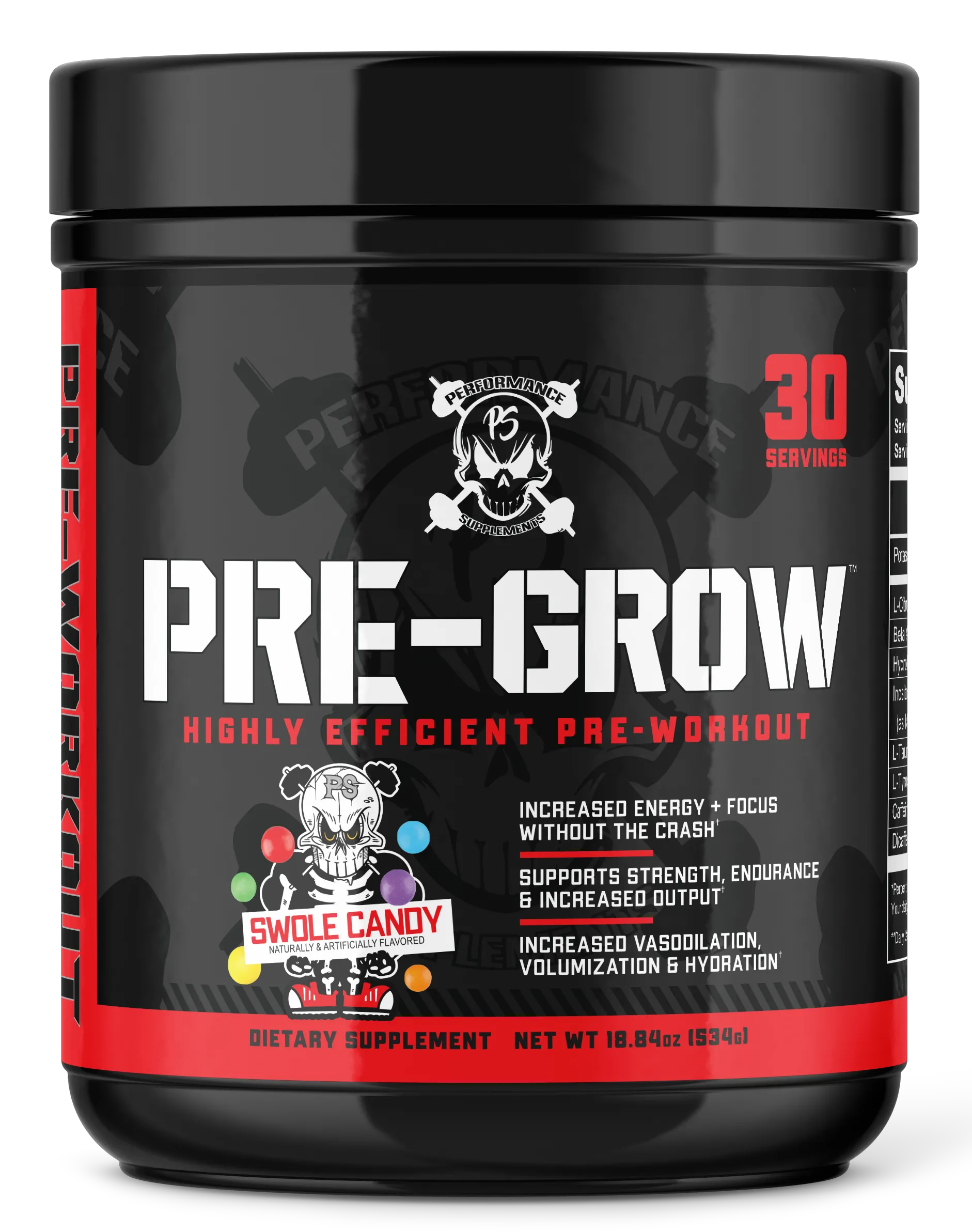
Choosing the appropriate performance supplement changes training outcomes. When matched to a clear objective—muscle hypertrophy, improved endurance, or faster recovery—supplements can address specific physiological limits. This guide explains supplement categories, underlying mechanisms, and how each product supports athletic goals. Many people select products that don’t match their needs; that wastes time and reduces effectiveness. By defining goals and understanding each supplement’s function, you can choose evidence-based options that improve performance. Topics covered include goal setting, dietary assessment, goal-specific supplements, and the role of product quality and individualisation.
Define Your Fitness Goals
Start by defining measurable training goals. Muscle growth, endurance improvement and recovery each demand different metabolic and nutritional approaches. Muscle hypertrophy relies on sufficient amino acid availability and anabolic signalling; endurance training prioritises glycogen management and fluid–electrolyte balance. Clarifying your objective lets you select supplements that target the limiting factor in your programme and therefore optimise training adaptations.
Assess Your Current Diet
Audit your daily intake to identify nutrient gaps. Whole foods should supply most macronutrients and micronutrients, but practical deficits are common—especially with high training volumes. Use dietary analysis to determine shortfalls in protein, carbohydrates, electrolytes or specific micronutrients. Supplements should fill verified gaps, not replace foundational nutrition.
Key Supplements Based on Goals
Match supplements to the physiological demands of your goal. The following sections summarise evidence-based options for muscle growth, endurance and recovery and explain their primary mechanisms of action.
For Muscle Growth
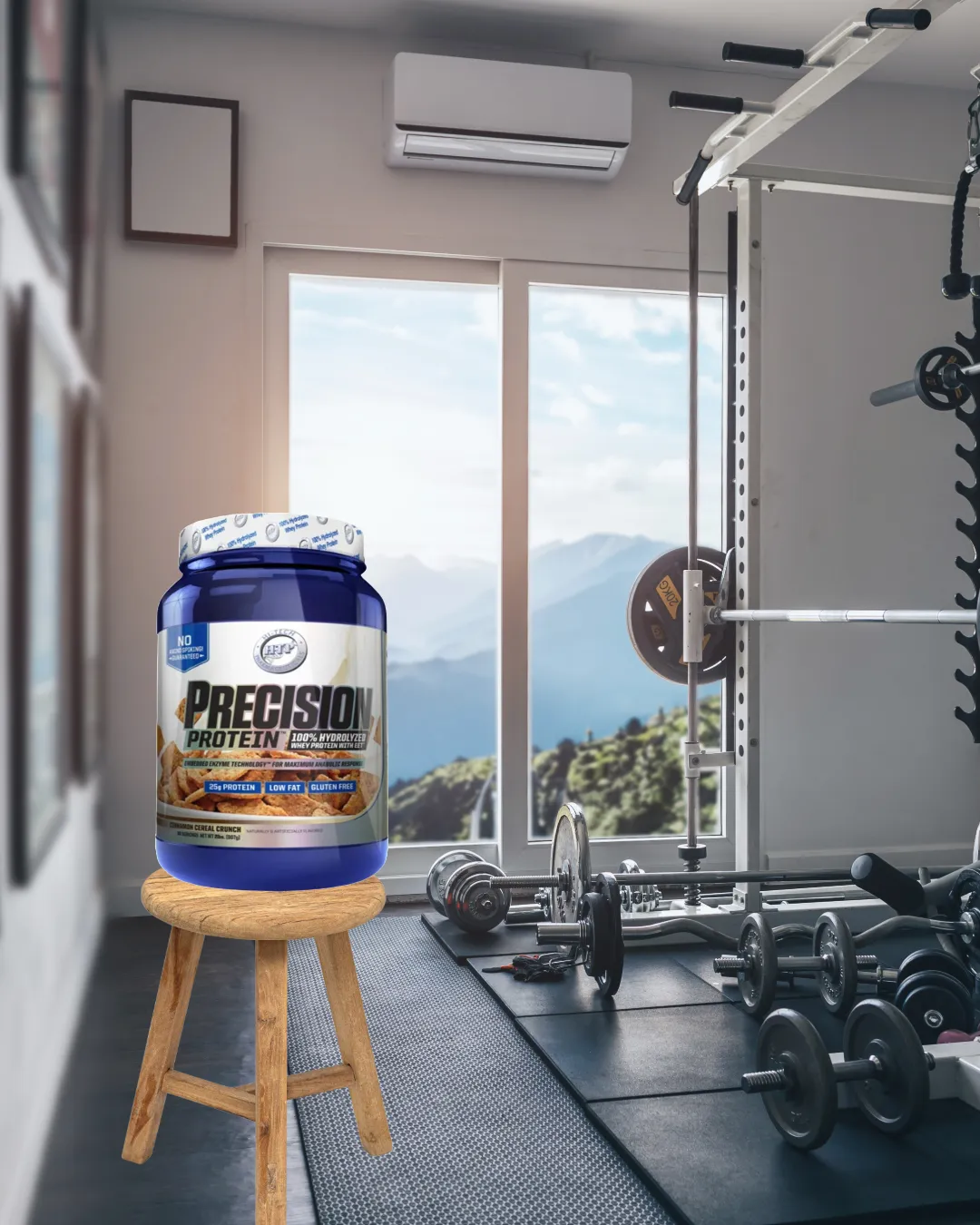
To drive hypertrophy, prioritise interventions that increase muscle protein synthesis and support repeated high-quality training sessions. Effective supplements target amino acid availability, rapid ATP regeneration, or recovery processes.
- Whey Protein: A fast-digesting protein that supports muscle repair and growth post-workout.
- Creatine: Enhances strength and power output, making it easier to lift heavier weights and build muscle mass.
- Branched-Chain Amino Acids (BCAAs): Help reduce muscle soreness and promote recovery, allowing for more intense training sessions.
These products act via complementary mechanisms: protein supplies essential amino acids for synthesis, creatine raises intramuscular phosphocreatine to sustain high-intensity work, and BCAAs support early recovery and reduce perceived soreness. Combined use supports greater training load and hypertrophic response.
While protein is paramount for muscle growth, a broader range of nutritional supplements can further support the physiological response of skeletal muscle to resistance training.
Beyond Protein: Supplements for Muscle Growth & Hypertrophy
Regarding skeletal muscle hypertrophy, resistance training and nutrition, the most often discussed and proposed supplements include proteins. Although, the correct amount, quality, and daily distribution of proteins is of paramount importance for skeletal muscle hypertrophy, there are many other nutritional supplements that can help and support the physiological response of skeletal muscle to resistance training in terms of muscle hypertrophy. A healthy muscle environment and a correct whole muscle metabolism response to the stress of training is a prerequisite for the increase in muscle protein synthesis and, therefore, muscle hypertrophy. In this review, we discuss the role of different nutritional supplements such as carbohydrates, vitamins, minerals, creatine, omega-3, polyphenols, and probiotics as a support and complementary factors to the main supplement i.e., protein. The different mechanisms are discussed in the light of recent evidence.
Not only protein: dietary supplements to optimize the skeletal muscle growth response to resistance training: the current state of knowledge, A Paoli, 2024
For Endurance

Endurance performance depends on sustaining energy supply and fluid–electrolyte balance while delaying metabolic fatigue. Choose supplements that maintain hydration, restore carbohydrates, or buffer acid build-up during high-intensity efforts.
- Electrolyte Drinks: Help maintain hydration and electrolyte balance during prolonged exercise.
- Carbohydrate Sources: Such as maltodextrin or dextrose, provide quick energy for extended workouts.
- Beta-Alanine: Improves performance by buffering lactic acid buildup, allowing for longer training sessions.
These interventions support sustained power output by preserving plasma volume and glycogen availability, and by increasing intramuscular buffering capacity to delay fatigue.
For Recovery
Recovery strategies should reduce inflammatory load, restore nutrient stores and support repair processes. Effective recovery supplements supply amino acids, modulate inflammation, or correct electrolyte and mineral deficits.
- Protein Supplements: Essential for muscle repair and growth, particularly when consumed post-exercise.
- Omega-3 Fatty Acids: Help reduce inflammation and promote recovery.
- Magnesium: Supports muscle function and recovery, helping to alleviate cramps and soreness.
Used appropriately, these supplements accelerate tissue repair, reduce delayed-onset muscle soreness and help restore neuromuscular function ahead of the next training session.
Consider Personalized Nutrition
Individual factors—training load, body composition, medical history and dietary patterns—determine supplement utility. A personalised plan uses assessment data to identify deficits and match supplements to specific metabolic needs. Consulting a qualified nutrition professional ensures an evidence-based, individualised stack that complements your training and reduces unnecessary or ineffective supplementation.
This concept of tailoring nutrition to individual needs is further supported by research highlighting the importance of personalized strategies for athlete health and performance.
Personalized Nutrition & Supplements for Athlete Performance
The main argument for the optimization of nutritional strategies in athletes, besides improved performance, is the preservation of health and the prevention of unwanted training effects. This highlights the importance of personalized nutrition strategies, as well as functional foods and phytonutrients based on individual requirements which can be precisely defined by detailed analyses, including genetics, epigenetics, gut microbiota, gender, and environmental factors. Macronutrient supplements, such as carbohydrates, proteins, protein components, fatty acids and probiotics are known to provide benefits for athletes with energy deficits, electrolyte imbalance, gastrointestinal issues, fatigue, and cardiovasc
Nutritional supplements for athletes and personalization; a short review, A Haslberger, 2022
Quality and Transparency
Choose products with transparent labels and independent third-party testing. Evidence-based formulations disclose active ingredient amounts, sourcing and manufacturing controls. This information reduces the risk of ineffective fillers and undisclosed contaminants and ensures you’re buying products with verified potency and safety.
Consult Professionals
Seek advice from healthcare professionals or sports dietitians when selecting supplements. They evaluate medical history, current medications and performance goals to prevent interactions and to recommend evidence-based dosages. Professional input helps align supplementation with long-term health and performance objectives.
Monitor and Adjust
Track objective metrics—training load, performance test results and recovery markers—and adjust supplements accordingly. Regular review identifies what’s working and what isn’t. Incremental changes and consistent monitoring help you optimise dosage, timing and product selection as your goals evolve.
| Supplement Type | Key Benefits | Recommended Dosage |
|---|---|---|
| Whey Protein | Muscle repair and growth | 20-30g post-workout |
| Creatine | Increased strength and power | 3-5g daily |
| BCAAs | Reduced muscle soreness | 5-10g before/after workouts |
| Electrolyte Drinks | Hydration and electrolyte balance | As needed during exercise |
| Beta-Alanine | Improved endurance | 2-5g daily |
How Do Your Fitness Goals Influence the Choice of Performance Supplements?
Your goals determine which physiological systems need support. Muscle-building goals prioritise amino acid supply and strength capacity; endurance goals prioritise glycogen availability and hydration; recovery goals focus on repair and inflammation control. Select supplements that address the specific limiting factor for your training outcome.
What Are the Key Differences Between Muscle Growth, Endurance, and Recovery Goals?
Muscle growth requires anabolic support and progressive overload; endurance requires energy provision and fluid balance; recovery requires anti-inflammatory and reparative support. Each goal maps to different nutrients and timing strategies, so your supplement choices should reflect those distinct demands.
How to Align Supplement Selection with Specific Athletic Objectives?
Identify the limiting physiological variable for your objective, then choose supplements that target that variable. For hypertrophy that’s protein and creatine; for endurance that’s carbohydrates and electrolytes; for recovery that’s protein, omega‑3s and minerals. Use training data and dietary assessment to refine choices.
Which Supplements Are Most Effective for Muscle Growth and Strength Enhancement?
Evidence supports protein powders, creatine and targeted amino acids as the most effective. Protein supplies essential amino acids for synthesis; creatine increases phosphocreatine stores to support higher training intensity; BCAAs can aid early recovery and reduce soreness when dietary protein is insufficient.
What Roles Do Protein Powders and Creatine Play in Supporting Muscle Hypertrophy?
Protein powders provide a rapid source of essential amino acids to stimulate muscle protein synthesis after training. Creatine increases intramuscular phosphocreatine, improving short-term high-intensity performance and enabling greater training stimulus, which over time supports increased muscle mass.
How Do Branched-Chain Amino Acids Aid Muscle Repair and Growth?
BCAAs—particularly leucine—stimulate the mTOR pathway and contribute to protein synthesis. They can reduce muscle damage and perceived soreness when total protein intake is suboptimal. Timing around exercise helps maximise their acute effects on recovery.
What Are the Best Performance Supplements to Boost Endurance and Stamina?
Electrolyte solutions, rapidly absorbed carbohydrate sources and buffering agents such as beta‑alanine are among the best options. They maintain plasma volume, supply exogenous fuel and delay metabolic acidosis—each supporting sustained exercise performance.
How Does Beta-Alanine Improve Athletic Endurance?
Beta‑alanine raises muscle carnosine concentrations, which increases intracellular buffering capacity. That delays the accumulation of hydrogen ions during high-intensity efforts, reducing fatigue and allowing athletes to maintain power for longer. Typical daily dosages range from 2–5 g with consistent use.
Scientific studies further detail how beta-alanine supplementation directly impacts physiological determinants of severe exercise performance.
Beta-Alanine for Enhanced Endurance & Exercise Performance
Beta-alanine increased leg muscle carnosine (32 ± 13 %,d= 3.1). Buffering capacity and incremental cycling were unaffected, but during 90-s severe cycling, beta-alanine increased aerobic energy contribution (1.4 ± 1.3 %,d= 0.5), concurrent with reduced O2deficit (−5.0 ± 5.0 %,d= 0.6) and muscle lactate accumulation (−23 ± 30 %,d= 0.9), while having no effect on pH. Beta-alanine also enhanced motivation and perceived state during the HIT block.
Effects of beta-alanine supplementation and interval training on physiological determinants of severe exercise performance, 2014
What Is the Impact of Nitrate-Rich Supplements on Cardiovascular Performance?
Nitrate-rich products, such as beetroot juice, enhance nitric oxide availability which can improve vasodilation and oxygen delivery to working muscle. This mechanism often translates to improved exercise economy and endurance. Studies commonly use doses around 5–8 mmol (≈300–500 mg nitrate) to observe performance benefits in endurance tasks.
How Can Supplements Support Recovery After Exercise to Enhance Performance?
Supplements support recovery by supplying substrates for repair and by modulating inflammation and oxidative stress. Protein restores amino acid pools for synthesis, omega‑3s attenuate inflammatory signalling, and minerals like magnesium assist neuromuscular recovery—together reducing downtime and improving readiness for subsequent sessions.
Which Ingredients Accelerate Muscle Recovery and Reduce Fatigue?
Key recovery ingredients include high-quality protein, omega‑3 fatty acids, and antioxidants. Protein drives tissue repair, omega‑3s reduce pro‑inflammatory mediators, and antioxidants limit oxidative damage. Combining these with adequate energy intake accelerates functional recovery.
What Is the Recommended Dosage and Timing for Recovery Supplements?
Dosage varies by product, but practical targets exist: 20–30 g of protein soon after exercise to maximise synthesis; 1–3 g daily of combined EPA/DHA for anti‑inflammatory effects; and regular magnesium intake according to product guidance. Timing close to the training session optimises acute recovery processes.
How to Evaluate and Choose Safe and Effective Workout Supplements?
Evaluate supplements by checking ingredient lists, certified third‑party testing, and evidence for the claimed effects. Prefer brands that publish batch testing and provide transparent sourcing. When in doubt, consult a qualified professional to verify safety and suitability for your context.
What Should You Look for on Supplement Labels to Ensure Quality and Efficacy?
Look for explicit active ingredient amounts, third‑party verification seals, expiry/batch numbers and clear dosing instructions. Avoid vague proprietary blends that hide quantities. Transparent labelling correlates with higher product reliability and predictable effects.
Are Performance Supplements Safe? Understanding Side Effects and Interactions
Most supplements are safe at recommended dosages, but adverse effects and drug interactions can occur. Common issues include gastrointestinal upset or allergic responses. Assess contraindications and discuss supplementation with a healthcare professional, especially if you take medication or have underlying conditions.
How Can Personalized Supplement Selection Enhance Athletic Performance?
Personalised selection increases efficacy by targeting individual deficits and minimising unnecessary products. Using assessments—dietary analysis, performance metrics and, when available, biomarker data—lets you build a focused regimen that delivers measurable performance gains while safeguarding health.
What Factors Should Be Considered for Tailored Supplement Recommendations?
Consider training phase, energy balance, dietary intake, medical history and practical constraints. Professional assessment can identify micronutrient deficiencies, enzyme or absorption issues, and other personalised needs that influence product choice and dosing.
How Are Recent Scientific Advances Shaping Personalized Nutrition in Sports?
Advances in genomics, microbiome research and metabolic phenotyping are improving our ability to predict nutrient responses and tailor interventions. These tools help refine supplement selection and dosing to the individual, increasing the likelihood of positive outcomes.
To further enhance your understanding of performance supplements and their role in achieving your fitness aspirations, consider exploring additional resources and consulting with experts in the field.
Frequently Asked Questions
What are the potential side effects of performance supplements?
Adverse effects vary by ingredient but often include gastrointestinal discomfort, headaches or allergic reactions. Some supplements can interact with medications or underlying conditions. Consult a healthcare professional before starting supplements and monitor symptoms to detect adverse responses early.
How can I determine the right dosage for my performance supplements?
Dosage depends on body mass, training goals and the specific compound. Use labelled recommendations as a starting point, then refine based on expert advice and objective response tracking. Beginning at a lower dose and titrating up while monitoring effects is a prudent strategy.
Are there any natural alternatives to performance supplements?
Whole foods provide many of the same nutrients found in supplements. Lean meats, dairy, fish, nuts, seeds, fruits and vegetables supply protein, omega‑3s, antioxidants and complex carbohydrates. Adequate sleep and hydration are also essential, and should be prioritised alongside any supplemental strategy.
How long does it take to see results from performance supplements?
Response time depends on the supplement and outcome. Protein effects on recovery and synthesis may be noticeable within weeks; creatine requires days to saturate muscle stores and typically shows strength benefits within weeks. Consistent training and nutrition influence the timeline.
Can performance supplements replace a balanced diet?
No. Supplements are intended to complement, not replace, a balanced diet. They address specific deficits or enhance targeted physiological processes, while whole‑food nutrition remains the foundation for health and performance.
What should I consider when choosing a brand of performance supplements?
Prioritise brands with transparent ingredient lists, third‑party testing and clear dosing. Check for regulatory compliance and independent reviews. Brand reputation, scientific backing and manufacturing standards are key indicators of product quality.
How can I track the effectiveness of my supplement regimen?
Use measurable indicators: training metrics, recovery scores, body composition and subjective measures such as perceived exertion and soreness. Keep a log and reassess periodically. Adjust supplements based on objective trends and professional guidance.
Conclusion
Selecting evidence-based supplements aligned to your goals amplifies training adaptations for muscle growth, endurance and recovery. Base choices on dietary assessment, scientific rationale and product transparency. Work with qualified professionals and monitor outcomes to refine your regimen. Prioritise quality and targeted dosing to ensure supplements contribute real, measurable benefits to your performance.