Your Essential Guide to Protein Powders
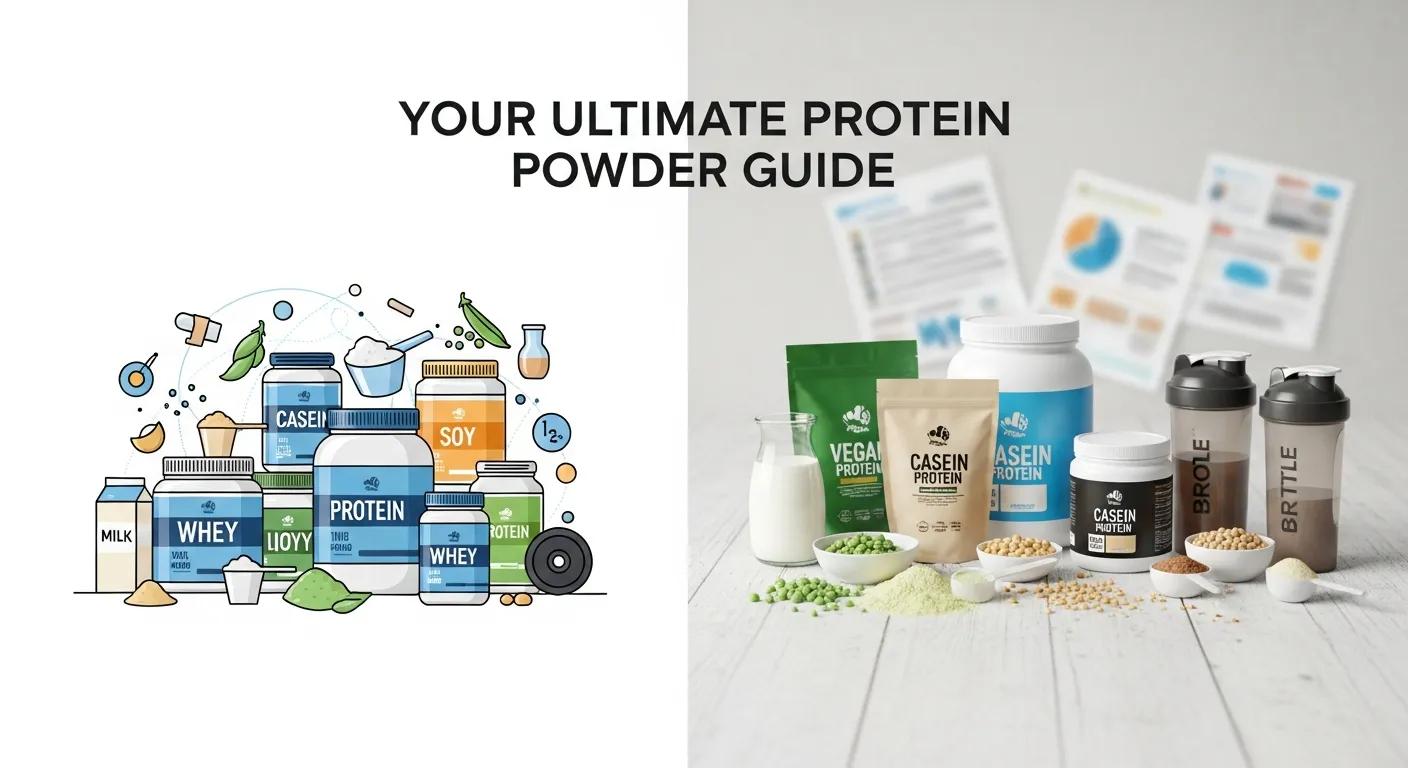
Protein powders are a go-to for athletes, regular gym users, and anyone focused on strength and overall wellness. This guide breaks down the main protein types, their benefits, and how to pick the best match for your goals and diet. With so many options—from whey and casein to plant-based blends—knowing the differences helps you buy with confidence. We’ll cover whey benefits, dosing suggestions, possible side effects, plus new protein sources and practical shopping tips to make the choice easier.
What Are the Different Types of Protein Powders?
Protein powders come in several forms, each with distinct nutrient profiles and advantages. Knowing those differences makes it easier to choose a product that supports your training and dietary needs.
How Do Whey, Casein, and Plant-Based Proteins Compare?
Whey protein, made from milk, absorbs quickly and delivers a full amino acid profile—ideal after workouts. Casein, another milk protein, digests slowly and supplies amino acids over several hours, which can be helpful overnight.
Clinical work continues to back casein’s role in extended muscle support.
Casein Protein: Slow Digestion for Post-Exercise Recovery
Casein, a milk-derived protein, is notable for its slow digestion and steady amino acid release. Recent studies have looked at whether taking casein before sleep improves post-exercise recovery, though our understanding of the topic is still evolving.
Pre-sleep casein protein ingestion: new paradigm in post-exercise recovery nutrition, 2020
Plant-based proteins—like pea and hemp—serve vegans and people with lactose sensitivity. They often bring fiber and antioxidants, and when blended can provide a complete amino acid profile. Because some single plant proteins are low in certain essential amino acids, manufacturers commonly combine sources to balance the profile.
Researchers are actively exploring ways to optimize plant-based protein mixes for human nutrition.
Optimizing Plant-Based Protein Amino Acid Profiles
Many animal foods naturally supply indispensable amino acids in close to the needed ratios, while plant foods vary more. To help use plant foods better for human nutrition, researchers developed the computational tool vProtein to identify complementary food combinations that meet human protein needs.
v
Protein: identifying optimal amino acid complements from plant-based foods, PJ Woolf, 2011
What Emerging Protein Sources Should You Know About?
Beyond traditional options, new protein sources are gaining traction. Insect protein is nutrient-dense and resource-efficient, and algae-based proteins offer high nutrient content along with omega-3s. As the market evolves, these alternatives may appeal to people who want to diversify protein sources while lowering environmental impact.
What Are the Key Benefits of Whey Protein for Muscle Growth?

Whey protein is widely used for muscle growth and recovery because it contains all essential amino acids and is absorbed quickly. That fast delivery of building blocks makes whey a popular post-workout choice.
How Does Whey Protein Support Muscle Recovery and Endurance?
Whey supports recovery by supplying essential amino acids—especially leucine, which is key for triggering muscle protein synthesis. Because whey absorbs rapidly, it delivers these amino acids to muscles soon after exercise, helping repair tissue and reduce soreness. Some studies also show whey can help sustain performance in follow-up training sessions.
Research highlights the importance of whey and leucine in jump-starting muscle protein synthesis.
Whey Protein & Leucine for Muscle Synthesis in Older Adults
Previous studies indicate that adequate amounts of essential amino acids, whey protein, and leucine help stimulate acute muscle protein synthesis in older adults.
Postprandial muscle protein synthesis is higher after a high whey protein, leucine-enriched supplement than after a dairy-like product in healthy older people: a …, NEP Deutz, 2014
What Makes Whey Protein a Preferred Choice for Athletes?
Athletes favor whey because it’s high-quality protein that the body uses efficiently. Its amino acids are quickly available after a workout, which supports muscle growth and faster recovery—helping athletes train more consistently and reach performance goals.
How to Choose the Right Protein Powder for Your Needs?

Picking the right protein powder means weighing your diet, training goals, and any health considerations—then matching those to the protein’s source, ingredient list, and nutrient profile.
What Factors Should You Consider When Selecting Protein Powders?
Look at the protein source, grams of protein per serving, amino acid profile, and added ingredients. Favor products with fewer fillers and clear labeling. Also check for allergens and certifications like third-party testing if quality verification matters to you.
How Do Activity Type and Dietary Preferences Influence Your Choice?
Your training and dietary choices should guide your pick. Strength and power athletes often prefer whey for fast absorption, while plant-based eaters may choose blended vegan proteins for a complete amino acid mix. Match the product to how you train and what you eat day to day.
What Are the Recommended Dosage and Timing for Protein Powder Intake?
Getting dose and timing right helps you get the most from protein supplements.
How Much Protein Powder Should You Take Daily for Optimal Results?
Daily protein needs vary by goal and activity. Typical recommendations for those building muscle range from about 1.2 to 2.0 grams per kilogram of body weight per day. For many people, 20–30 grams of protein from a supplement per serving supports recovery and muscle growth effectively.
When Is the Best Time to Consume Protein Powders for Muscle Gain?
Consuming protein within 30–60 minutes after training is commonly recommended to aid recovery. Spreading protein evenly through the day—and including a slow-digesting protein before bed—can help maintain a positive protein balance and support overnight repair.
What Are the Potential Side Effects and Considerations of Protein Powders?
Protein powders are safe for most people, but there are a few considerations to keep in mind.
Are There Any Risks Associated with Excessive Protein Powder Use?
Too much protein from supplements can cause digestive issues and, in people with existing kidney problems, may increase strain. Overreliance on supplements can also create nutrient imbalances. Stick to recommended amounts and check with a healthcare provider if you have health concerns.
How Can You Identify and Manage Protein Powder Side Effects?
Watch how your body reacts—common signs of intolerance include bloating, gas, or upset stomach. If that happens, try lowering the dose, switching to a different protein source, or choosing a formula designed for sensitive digestion. A healthcare professional can help pinpoint the cause.
Which Protein Powder Products Are Recommended for Purchase?
When shopping, prioritize quality, clear labeling, and minimal unnecessary additives.
What Are the Top-Rated Protein Powders for Different Consumer Segments?
Among whey options, Optimum Nutrition Gold Standard Whey and Dymatize Nutrition ISO100 are often recommended for their protein quality and mixability. For plant-based consumers, Orgain Organic Protein and Vega One are popular choices that deliver solid amino acid profiles without animal ingredients. These picks are frequently praised for taste, texture, and consistent labeling.
How Does Ingredient Transparency and Quality Impact Product Choice?
Ingredient transparency matters: choose brands that disclose sourcing, processing methods, and third-party testing. Cleaner ingredient lists and clear protein counts per serving usually mean you’re getting a more reliable product.
Frequently Asked Questions
What Should I Look for on a Protein Powder Label?
Check the protein source, grams of protein per serving, and the amino acid profile. Look for minimal added sugars, fillers, and artificial ingredients. Certifications like third-party testing or NSF/USP seals add confidence. Also note allergens such as lactose or gluten and whether the product fits dietary needs like vegan or organic.
Can Protein Powders Help with Weight Loss?
Yes—protein powders can support weight loss by increasing fullness and protecting lean muscle during calorie restriction. Adding protein to meals helps control appetite, but powders should complement a balanced diet and regular exercise rather than replace whole foods.
Are There Age-Specific Recommendations for Protein Powder Use?
Protein needs change with age. Older adults often need more protein to preserve muscle and avoid sarcopenia, while younger athletes may require more to support growth and recovery. Tailor intake to activity level and health status, and consult a healthcare provider for personalized guidance.
How Do I Store Protein Powder to Maintain Freshness?
Store protein powder in a cool, dry place out of direct sunlight, and keep the container tightly sealed to prevent clumping. Avoid humid spots like near the stove or in the bathroom. Refrigeration or freezing can extend shelf life if the powder is in an airtight container to prevent moisture absorption.
What Are the Environmental Impacts of Different Protein Sources?
Environmental footprints differ: animal-based proteins such as whey and casein typically require more land, water, and resources. Plant proteins like pea and hemp generally have lower environmental costs. Emerging sources—like insects and algae—offer promising sustainable alternatives. Choosing plant-forward or novel proteins can reduce your ecological impact.
Can I Use Protein Powder in Cooking and Baking?
Absolutely—protein powders work well in smoothies, oatmeal, pancakes, muffins, and homemade bars. Be mindful of flavor and texture changes; you may need to adjust liquids or baking times to get the desired consistency.
Conclusion
Picking the right protein powder can make a real difference in recovery, muscle gains, and everyday nutrition. By understanding the types of protein, their benefits, and how they fit your goals and diet, you can choose a product that supports your routine. Browse our curated selections to find high-quality options that match your lifestyle, and take the next step toward better performance and health.