
Frequently Asked Questions — Practical answers for athletes
What should I consider before starting a new supplement regimen?
Before you add any supplement, take stock of your current health, daily diet, and training goals. Check for possible interactions with prescription medications or existing medical conditions by talking with a healthcare provider. Also factor in your lifestyle — how often and how hard you train will affect what you need. Knowing your priorities (performance, recovery, general health) will help you pick supplements that actually move the needle.
Are there specific supplements recommended for different types of athletes?
Yes. Different sports and training styles often call for different nutrients. Endurance athletes typically prioritize electrolytes and carbohydrate sources for steady energy, while strength athletes lean on protein and creatine to support muscle repair and growth. Players in fast-paced team sports may benefit from ingredients that support focus and reaction time. Match your supplement choices to the demands of your sport and your training plan.
How can I ensure the quality of the supplements I purchase?
Look for transparency and third‑party verification. Reputable brands publish ingredient lists, batch testing results, and manufacturing details. Certifications from organizations like NSF International or the US Pharmacopeia (USP) are reliable trust signals. Read reviews, check lab testing where available, and choose brands that clearly explain sourcing and quality controls.
What are the signs that I may be experiencing side effects from supplements?
Side effects can show up in many ways: stomach upset, headaches, dizziness, skin reactions, or more severe allergic responses. If you notice unusual symptoms after starting a new product, stop taking it and contact a healthcare professional. Keep a simple log of what you take and any reactions — that makes it much easier to spot patterns or problematic ingredients.
Can supplements replace a balanced diet?
No — supplements are meant to complement a healthy diet, not replace whole foods. Whole foods provide a wide range of nutrients and benefits that supplements can’t fully replicate. Use supplements to fill specific gaps or support increased needs from heavy training, but keep your foundation focused on fruits, vegetables, whole grains, lean proteins, and healthy fats.
What should I do if I miss a dose of my supplement?
If you forget a dose, take it when you remember unless it’s nearly time for the next dose — in that case, skip the missed one. Don’t double up to catch up. To avoid missed doses, build supplements into an existing routine (meals, workout times) or set a daily reminder on your phone.
What Are the Key Benefits of Different Supplements?
Supplements can support performance and recovery when used thoughtfully. Below are common benefits and how they typically help athletes.
- Muscle Growth and Recovery: Protein powders (whey, casein, and other isolates) supply the amino acids your muscles need to repair and grow after hard sessions. Research supports the value of post‑workout protein for improving lean mass and strength gains. Post-Workout Protein for Muscle Growth & Strength The purpose of this study was to determine the effects of post-workout consumption of beef protein isolate (Beef), hydrolyzed chicken protein (Chx) or whey protein concentrate (WPC), compared to a control on lean mass and strength during 8 weeks of resistance training. The Effects of Beef, Chicken, or Whey Protein Post-Workout on Body Composition and Muscle Performance, 2017
- Energy Boost: Pre-workout formulas often include caffeine and beta-alanine to sharpen energy and delay fatigue, helping you push harder in short, intense sessions.
- Fat Loss Support: Thermogenic or “fat burner” supplements can increase metabolic rate and support fat oxidation when combined with proper diet and training. Some studies show thermogenic blends increase short-term thermogenesis and can support modest fat loss over time. Thermogenic Supplements for Fat Loss The bioactive supplement increased 4-h thermogenesis by 90 kJ more than placebo, and the effect was maintained after 8 weeks and accompanied by a slight reduction in fat mass. These bioactive components may support weight maintenance after a hypocaloric diet. Body fat loss achieved by stimulation of thermogenesis by a combination of bioactive food ingredients: a placebo-controlled, double-blind 8-week intervention in …, J Kondrup, 2007
- Nutritional Gaps Filling: Multivitamins, vitamin D, and omega‑3 fatty acids are commonly used to cover deficiencies and support overall health, especially when whole‑food intake is limited.
- Cognitive Function Enhancement: Certain nootropics and targeted nutrients can help with focus, memory, and reaction time for athletes who need sharp decision‑making during training or competition.
For athletes who want carefully formulated, athlete-focused options, Performance Supplements positions itself as a premium provider of products designed with performance and quality in mind.
How Should I Take Supplements Safely and Effectively?

Safe, effective supplement use comes down to timing, quality, and personalization. Use these simple rules to maximize benefits and reduce risk:
- Timing of Supplements: Take supplements when they work best — for example, protein after workouts for recovery, caffeine 20–60 minutes before training for performance, and iron or vitamin D with meals to improve absorption if recommended.
- Personalization of Supplement Schedules: Your age, sex, training load, and diet determine what and when you should take supplements. Treat recommendations as a starting point and adjust based on results and professional advice.
- Quality Assurance: Choose brands that publish ingredient lists, third‑party test results, and clear manufacturing practices. That’s the easiest way to avoid impurities and mislabeled products.
- Consultation with Healthcare Professionals: Before adding new supplements — especially if you’re on medication or have health concerns — check with a doctor, dietitian, or sports nutritionist.
What Are the Recommended Dosage Guidelines for Common Supplements?
Dosage depends on goals and individual factors, but these general ranges are commonly recommended:
- Protein Supplements: Aim for roughly 20–30 grams per serving, adjusted to your total daily protein target.
- Creatine: 3–5 grams daily is a standard maintenance dose, typically taken post-workout or with a meal.
- Omega-3 Fatty Acids: 1,000–3,000 mg per day is a common range for general health; athletes with higher inflammation or recovery needs may use higher doses under guidance.
How Can I Avoid Common Side Effects When Using Supplements?
Minimize side effects by following a cautious, monitored approach:
- Consulting Healthcare Professionals: Run new supplements by a clinician, especially if you take medications or have chronic conditions.
- Starting with Low Doses: Begin at the lower end of recommended ranges to check tolerance, then increase slowly if needed.
- Monitoring for Interactions: Track what you take and watch for interactions with prescription drugs — some combinations can be harmful or reduce effectiveness.
What Are the Common Side Effects and Safety Considerations of Supplements?
Supplements can help, but they’re not risk‑free. Common safety issues include:
- Possible Interactions with Medications: Some supplements interact with prescriptions and can cause serious problems. Reports have linked dietary supplement use to unexpected adverse events and increased emergency interventions when interactions occur. Supplement-Drug Interactions & Adverse Events Dietary supplements have been associated with an increase in emergency intervention as a result of unexpected adverse events. Limited resources and information on significant drug-drug interactions with dietary supplements and prescription medications have contributed to associated complications and unexpected events. Dietary supplement-drug interaction-induced serotonin syndrome progressing to acute compartment compartment syndrome, 2017
- Overdose Risks: Taking very high doses of certain vitamins, minerals, or stimulants can cause toxicity or organ strain.
- Inconsistent Product Quality: Not all products match their label claims — contaminants, inaccurate dosages, and poor manufacturing practices are possible without proper testing.
What Are the Shipping Policies and Delivery Options for Supplements?
Shipping and returns vary by retailer, but here are common points to check before you buy:
- Shipping Costs and Delivery Times: Costs depend on your location and order size; typical delivery windows are 3–7 business days for domestic shipping.
- Free Shipping Options: Many brands offer free shipping over a set order value — check the minimum and whether it applies to sale items.
- Return Policies: Review the seller’s return and refund policy so you know how unopened or opened products are handled if you’re unsatisfied.
How Can I Choose the Best Supplements for My Athletic Goals?
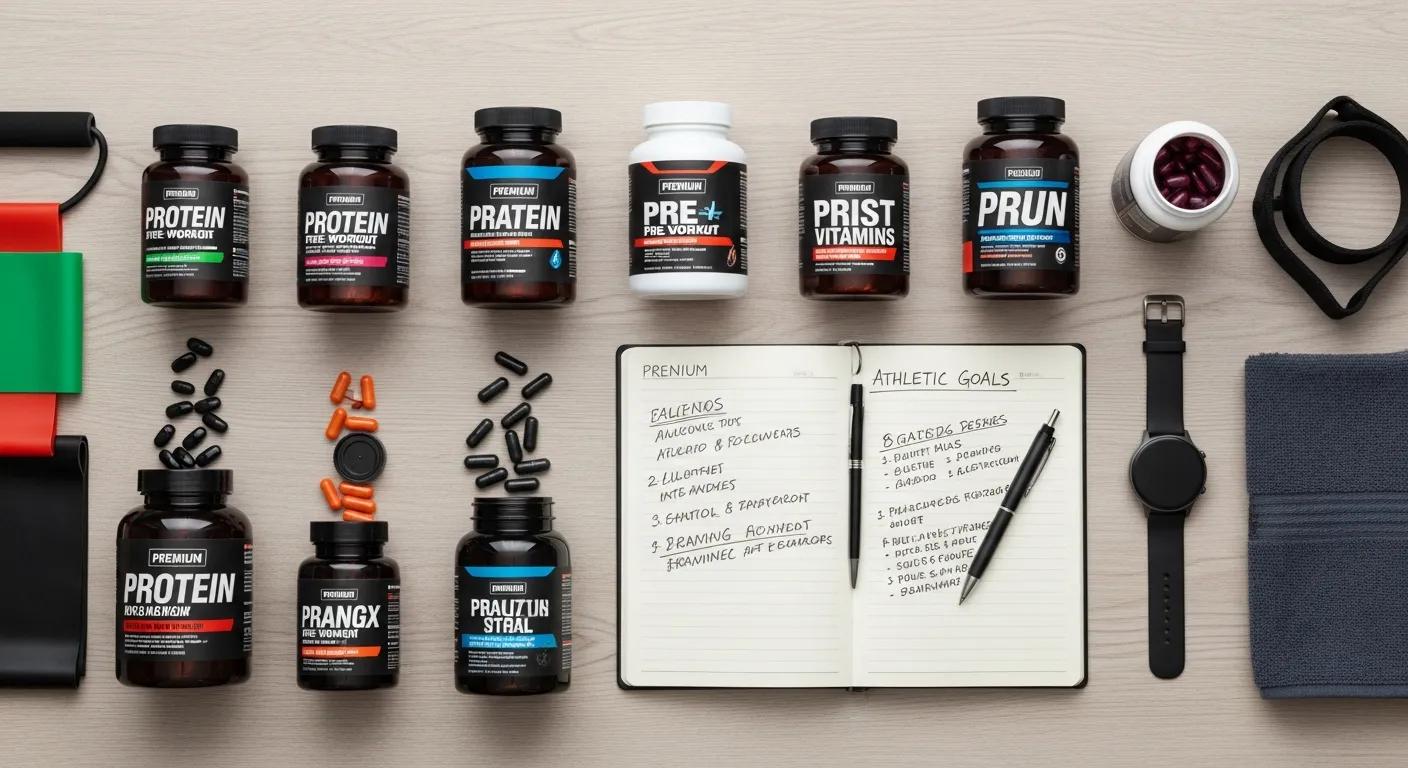
Choosing the right supplements means matching products to clear, measurable goals. Use this checklist to simplify the decision:
- Assessing Health Goals: Define whether you want more muscle, better endurance, faster recovery, or improved body composition — each goal points to different supplements.
- Evaluating Dietary Needs: Note any restrictions (vegetarian, vegan, gluten‑free) and nutrient gaps in your diet that supplements should fill.
- Quality of Ingredients: Favor products with transparently sourced, science-backed ingredients and third‑party testing to ensure safety and effectiveness.
When used thoughtfully, the right supplements can support your training plan. Pair them with consistent nutrition and a smart training program to get the best results.
Conclusion
Smart supplement choices can speed recovery, boost energy, and fill nutritional gaps — but they’re most effective when tailored to your goals and backed by quality testing. If you want personalized guidance or athlete-focused products, explore our curated lineup of premium options. Start with clear goals, choose trusted brands, and use supplements as one part of a balanced training and nutrition strategy.